Functional Skills ‘Myth Busting’ with Debby
For many adults, the thought of returning to English and Maths can be daunting. Since the government changed the requirements for those aged 19+ to ‘opt-in’ or ‘out’ of these qualifications, we have seen a significant 78% decrease in the number of people choosing to study them.
The main reason? A simple lack of confidence. Many of us carry the weight of a ‘failed’ grade from our school days, or missed opportunities, leading to the belief that these subjects just aren’t for us. However, Level 2 Maths and English are fundamental, not just for professional progression, but for navigating everyday life.
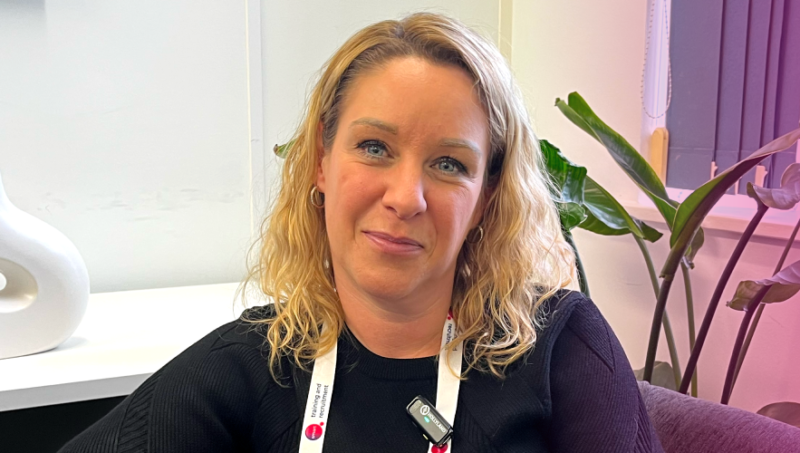
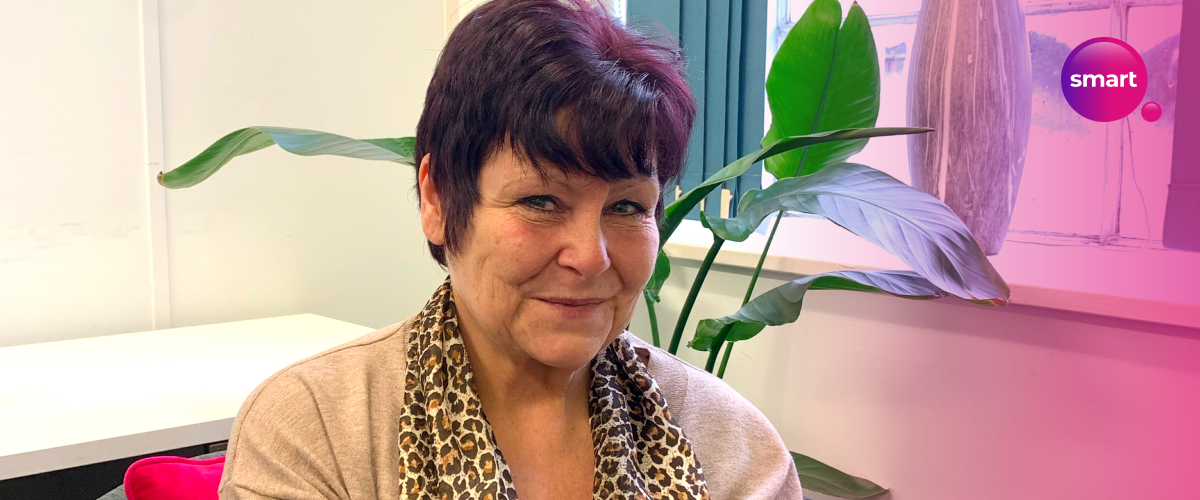
At Smart Training and Recruitment, we do things differently. We tailor our delivery to real-life, relatable scenarios to make these qualifications achievable for everyone. To help clear the air, our amazing Functional Skills tutor, Debby, is here to bust the most common myths and misconceptions.
The ‘Myths’ vs ‘The Facts’
Functional Skills are only for 16–19-year-olds
Functional Skills are available for and beneficial to people of all ages, not just 16–19-year-olds. While the requirement to study them for apprenticeships and study programs is mandatory for 16–19-year-olds who don’t have a GCSE grade 4 or higher in English or maths, adults can still take them voluntarily to improve their employability or for other reasons.
Functional Skills are only for people that failed their GCSEs
No, that’s not entirely true. While Functional Skills are mandatory for some 16–19-year-olds who haven’t achieved a Grade 4 (or C) in GCSE English or maths, they are also useful qualifications for a wide range of people, including adults who never took GCSEs, those who want to gain qualifications for work or further education, or apprentices.
Functional Skills are easier than GCSE, therefore employers don’t value them as much and prefer you to have GCSEs instead.
A Functional Skills Level 2 is equivalent to a GCSE grade 4, and the qualifications are recognised by employers and educational institutions. Whilst you only get a pass or fail with FSQ, the higher the score, the better the grade. For example, a 90% score might likely be a Grade 6.
Functional Skills are only about theoretical knowledge and not applicable in the real world.
The core purpose of Functional Skills qualifications is to provide individuals with practical, real-world skills in English, Maths, and ICT that are directly applicable to everyday life and the workplace. The entire framework is built around practical, hands-on application and problem-solving in authentic scenarios, such as managing a personal budget, writing a professional email, or handling data at work.
You can only sit them once. They aren’t like GCSEs which can only be sat at certain times of the year. FSQ are on-demand tests and if you don’t pass first time we will arrange for extra support, then book a re-sit, a bit like a driving test!
Functional Skills aren’t nationally recognised. Functional Skills qualifications are indeed nationally recognised throughout the UK and are highly valued by employers, educational institutions, and training providers as valid alternatives to GCSEs. As previously stated, the framework is built around practical, hand-on application and can be contextualised to what you do.
It’s all written exams – are there any practical tests involved? The English is made up of three elements: reading, writing and speaking, listening and communicating; this is good practice for delivering presentations or meetings to others. The maths is made up of two parts: a non-calculator exam and a calculator exam. They test your underpinning skills and problem-solving skills.
I have never been able to do maths / English, what will be different this time? You will be working with people that have worked in industry that can “bring the topics” to life and make them relevant to you and your role!
Ready to unlock your potential?
Don’t let past experiences hold back your future. Whether you want to boost your CV, help your children with their homework, or simply gain more confidence in your daily role, Debby and the Functional Skills team are here to support you every step of the way.